The Art of Deception: Spaghetti Western Posters
Vibrant, dynamic, and often entirely misleading promotional artwork.
The Painted West
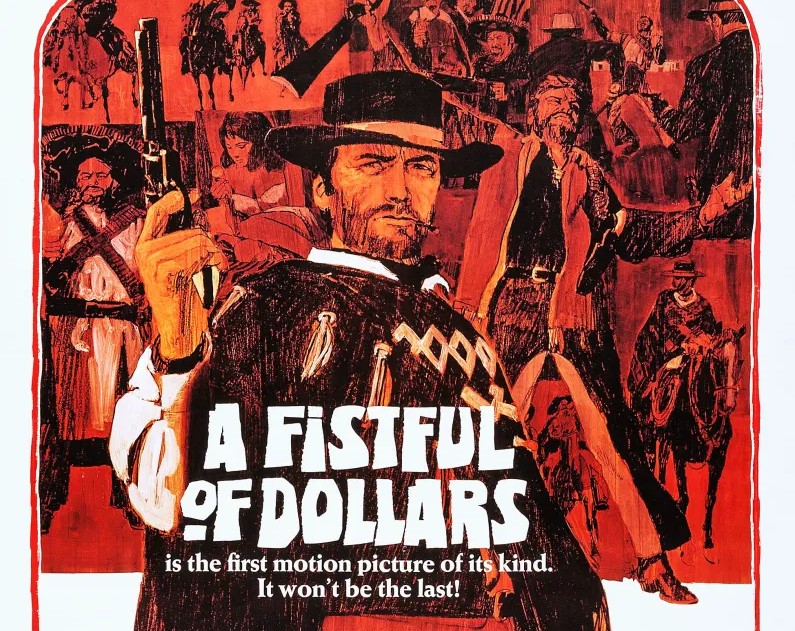
Before the era of Photoshop, the success of a B-movie relied heavily on the skill of the poster artist. Italian illustrators like Renato Casaro and Sandro Symeoni created some of the most striking, vibrant, and dynamic promotional artwork in film history to sell the Spaghetti Western.
These posters were masterpieces of composition. They featured bold, saturated colors (especially bloody reds and desert golds), extreme close-ups of glaring eyes, and chaotic montages of gunfights, stampedes, and explosions. They promised audiences an experience of unbridled action and excitement.
Selling a Lie
However, these posters were also famously deceptive. Because many of these films were shot on shoestring budgets, the artwork often had to compensate for what was lacking on screen. A poster might feature an army of thousands charging across a valley, while the actual film only contained six extras hiding behind rocks.
Furthermore, as certain actors became famous, distributors would shamelessly manipulate posters to sell old movies. If a minor actor suddenly became a star in a different film, they would be painted massive and front-and-center on the re-release poster for a film where they only had a five-minute cameo.
The Name Game
The most egregious deceptions involved the names of the characters. As the "Django" and "Sartana" brands exploded, international distributors would simply paint "Django" over the original title of a completely unrelated movie. Posters would boldly claim "DJANGO IS BACK!" for a film starring a different actor playing a character named John.
Despite the deception, the poster art of the Spaghetti Western remains highly collectible today. It captures the energy, the danger, and the sheer audacity of the Italian film industry during its golden age.
About the Author: Enzo Di Lucca
Enzo Di Lucca is a cinema historian and archivist specializing in European genre films. He has spent over two decades researching the lost negatives of the Italian West and has interviewed numerous stuntmen, composers, and directors from the era.