The Essential Collection
Six films that define the style, violence, and operatic grandeur of the Italian West. For those new to the genre, these films are the perfect way to start.
The Blueprint
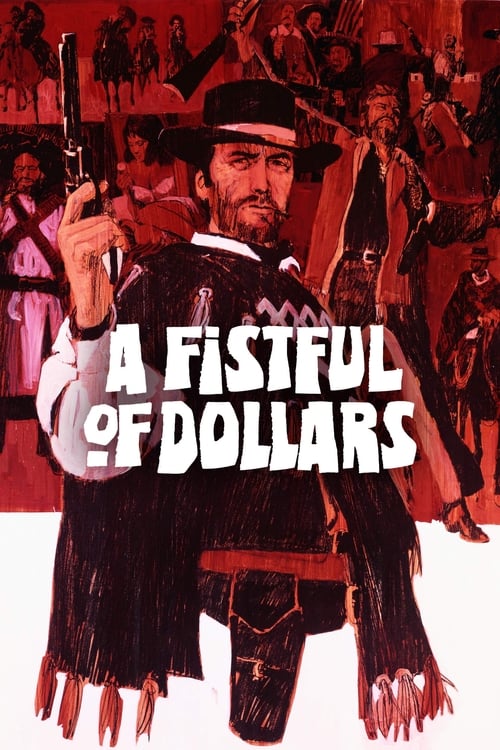
A Fistful of Dollars (1964)
Why start here? This is the tectonic shift that changed cinema. Sergio Leone took Kurosawa's Yojimbo, stripped it of its moral center, and replaced the samurai sword with a Colt .45.
It introduced Clint Eastwood as the Man With No Name, a drifter who didn't fight for justice, but for profit. With its operatic violence, Ennio Morricone's whistling score, and an unprecedented cynicism, it destroyed the "white hat vs. black hat" myth of the American Western forever.
The Refinement
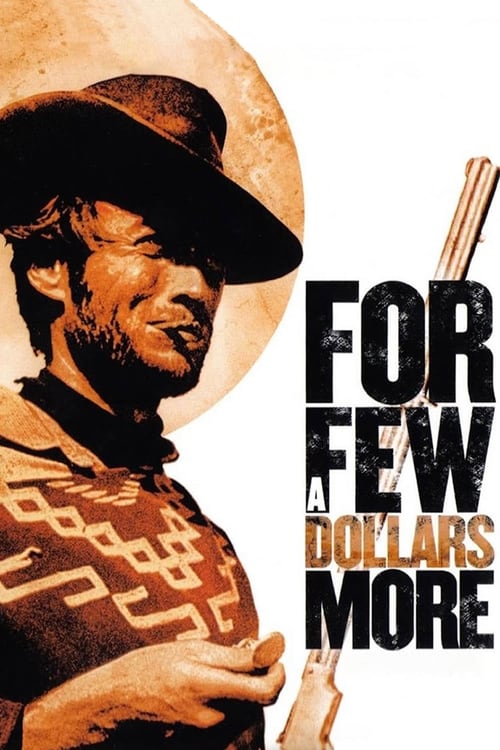
For a Few Dollars More (1965)
The stakes get higher. If the first film was a rough draft, this is the polished gem. Clint Eastwood returns, but this time he shares the screen with Lee Van Cleef's Colonel Mortimer, a cool, calculating professional with an arsenal of gadgets.
Leone perfects his style here, introducing a complex "flashback" narrative structure powered by a musical watch. The villain, Gian Maria Volonté's El Indio, is no longer a caricature but a tortured, drug-addicted psychopath, creating a psychological depth rarely seen in the genre.
The Masterpiece
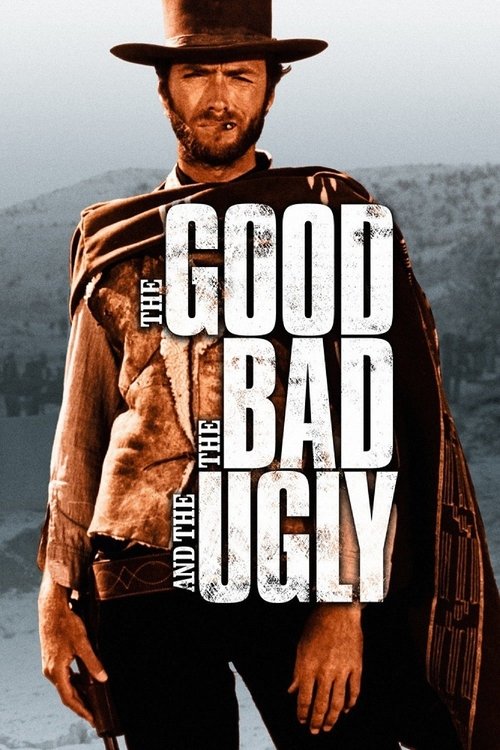
The Good, the Bad and the Ugly (1966)
Why watch it? It is the undisputed peak of the genre. An epic that treats the American Civil War as merely a messy backdrop for a three-way treasure hunt.
Leone stretches tension to its absolute breaking point. The final "Mexican Standoff" is perhaps the most famous sequence in film editing history, a masterclass of cutting between eyes, guns, and hands, all driven by Morricone's "The Ecstasy of Gold." It is a three-hour opera of greed that never drags for a second.
The Alternative
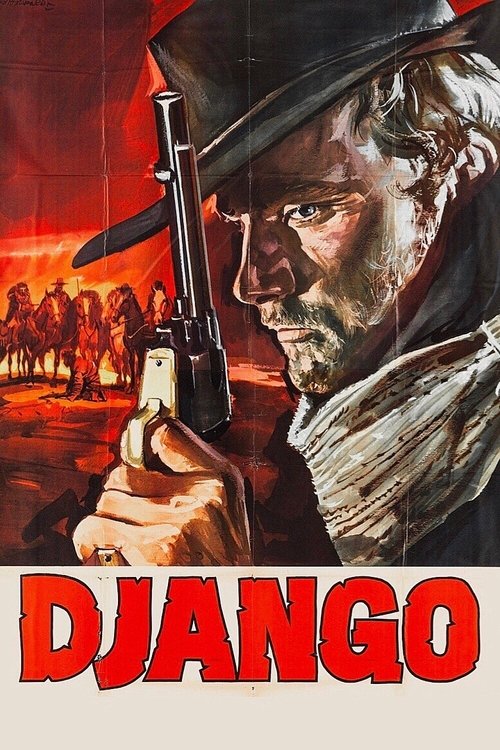
Django (1966)
Ready for something darker? While Leone made operas, Sergio Corbucci made nightmares. Django opens with a man dragging a coffin through deep mud, establishing a tone that is gothic, messy, and brutally violent.
Franco Nero's anti-hero is a ghost haunting a town caught in a race war. The machine gun in the coffin became an icon of 60s counter-culture. This film proves the genre wasn't just about style. It was also about the ugliness of survival.
The Winter Western
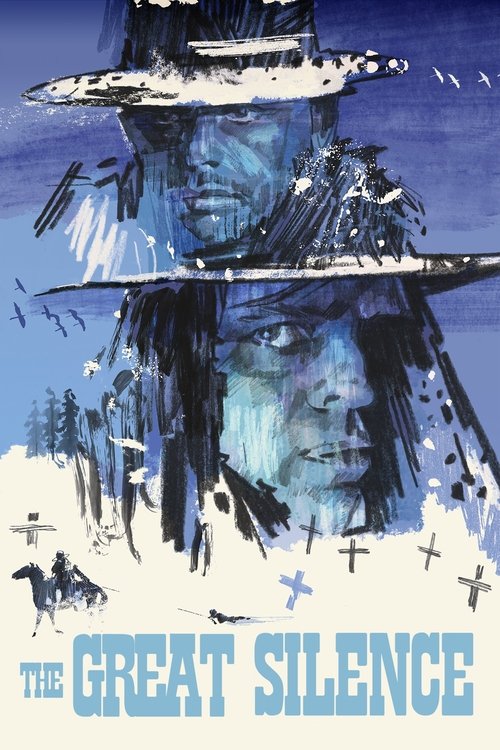
The Great Silence (1968)
A bleak masterpiece. Corbucci subverts every rule he helped create. Instead of the blazing desert, we have the suffocating snow of the Dolomites. instead of a witty gunslinger, our hero is a mute who cannot speak.
It is a politically charged tragedy about the poor being hunted by the law. The ending is so bleak and uncompromising that it shocked audiences worldwide. It remains the most haunting entry in the canon, heavily influencing Tarantino's The Hateful Eight.
The Epitaph
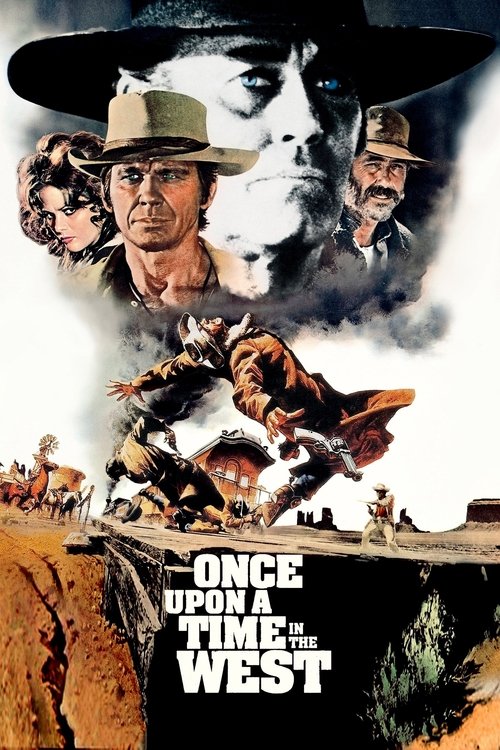
Once Upon a Time in the West (1968)
The genre's swan song. If the *Dollars* trilogy was rock and roll, this is a symphony. Sergio Leone slows the pace to a hypnotic crawl, turning every gesture into a monument.
It casts the all-American hero, Henry Fonda, as a cold-blooded child killer, shattering his screen image. With Charles Bronson as the spectral avenger "Harmonica," it is a film about the death of the Old West and the arrival of modern civilization (the railroad). It is the beautiful, melancholy end of an era.