The Rise of the Anti-Hero
How Spaghetti Westerns redefined morality, violence, and style in cinema.
The American Western was a lie. It was a clean, moral fable where the good guy wore white, the bad guy wore black, and the sheriff always saved the town. It was a myth of law and order. Then Italy blew it all to hell.
In the mid-1960s, a group of maverick filmmakers, working with shoestring budgets and leftover sets, didn't just reinvent the Western. They gutted it. They replaced the romance with grit, the heroism with greed, and the sweeping orchestras with the sound of a whipcrack. This wasn't the West of John Wayne. This was a sun-baked purgatory where life was cheap, death was loud, and the only thing that mattered was a fistful of dollars.
1. Desperation Breeds Innovation
It started with a dying industry. By 1963, the Italian film machine was running on fumes. The sword-and-sandal epics (Peplums) that had dominated the box office were flopping. Studios were desperate for the next cash cow. They looked to Germany, where adaptations of Karl May's western novels were surprisingly hitting big.
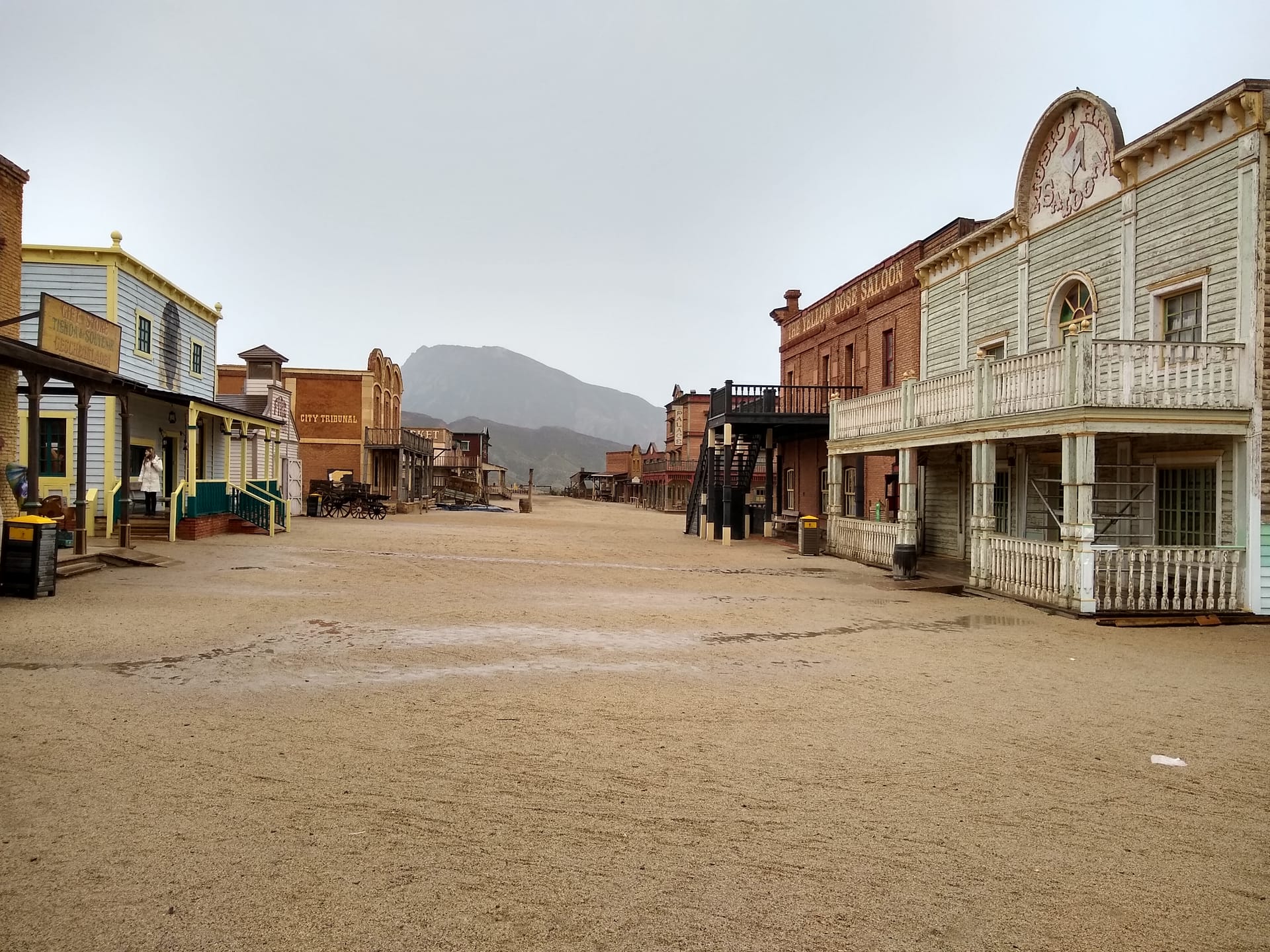
Enter Sergio Leone. With a budget that wouldn't cover the catering on a Hollywood set, he took a Japanese samurai movie (*Yojimbo*), hired a TV actor nobody in America cared about (Clint Eastwood), and went to Spain. *A Fistful of Dollars* (1964) wasn't just a hit. It was a revolution. It proved you didn't need a studio backlot to make a Western; you just needed style, attitude, and a lot of fake blood.
2. The Anti-Hero Rises
Hollywood heroes fought for ideals. Spaghetti Western heroes fought for lunch money. This shift was seismic. Eastwood’s "Man With No Name" didn't give a damn about the townspeople. He played both sides, cheated at duels, and only pulled his gun if there was a profit margin.
This cynicism resonated with a 1960s audience growing weary of traditional authority figures. The Vietnam War and social unrest were chipping away at the old moral certainties. Suddenly, a hero who admitted he was just looking out for number one felt a lot more honest than the sheriff giving a speech about justice.
3. Style Over Substance
Because they couldn't afford thousands of extras or massive stampedes, directors leaned into unparalleled style. Extreme close-ups of eyes. Wide shots that held for uncomfortable lengths of time. The silence became as important as the gunfire.
And the sound... oh, the sound. Since the films were shot silent and dubbed later, the sound effects were cranked to eleven. Punches sounded like cannon fire. Gunshots were deafening. It was hyper-reality. It was opera.
4. The Politics of Violence
While Leone dealt in myths, directors like Sergio Corbucci and Sergio Sollima dealt in revolution. The "Zapata Westerns" used the Mexican Revolution as a backdrop to scream about class struggle.
In films like *The Big Gundown*, the bandit isn't the villain. He is the victim of a corrupt system. The "civilized" man in the suit is the monster. These films were radical, angry, and deeply political, hiding Marxist theory under a poncho and a cowboy hat.
5. The Legacy
Like all flames, it burned out quickly. By the early 70s, the genre descended into self-parody with the slapstick *Trinity* films. But the damage, or rather the improvement, was done.
You don't get Star Wars' Han Solo without the Spaghetti Western. You don't get John Wick. You certainly don't get Quentin Tarantino. The Italians taught us that cinema doesn't have to be polite to be art. It just has to be cool.