The Gothic West: When Horror Met the Frontier
The eerie, atmospheric films that traded sun-drenched deserts for foggy graveyards
Dust and Shadows
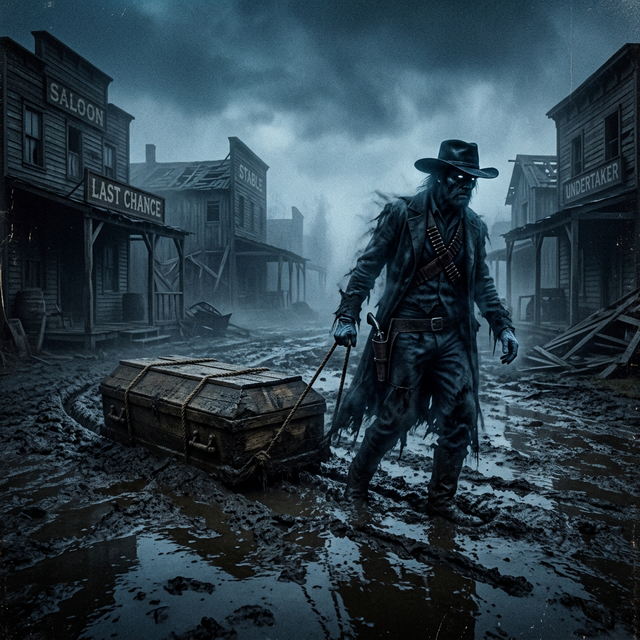
Standard Western tropes usually involve bright sunlight and vast open spaces. However, several Italian directors, many of whom also worked in the "Giallo" horror genre, brought a distinctly macabre sensibility to the West. These "Gothic Westerns" feel more like ghost stories than adventure films.
The most famous example is the original "Django" (1966). With its perpetual mud, coffin-dragging protagonist, and a town inhabited by a few terrified survivors, it feels like it takes place on the edge of the world. It’s an atmospheric masterpiece that uses the icons of death as its primary visual language.
Django the Bastard
In "Django the Bastard" (1969), the horror elements are made explicit. The protagonist is essentially a supernatural force—a man who may or may not be the ghost of a soldier betrayed by his officers. He appears out of the shadows, places crosses with his victims' names on them, and disappears back into the night.
The film uses horror lighting—deep blacks and harsh spotlights—to create a sense of dread that is entirely alien to the traditional American Western. It was a clear precursor to Clint Eastwood’s own "High Plains Drifter".
The Bleeding Frontier: Horror Aesthetics
Other films pushed this fusion even further into the realm of the psychological and surreal. In *And God Said to Cain* (E Dio disse a Caino...) starring Klaus Kinski, the story is set against a raging windstorm, with Kinski’s character acting as a vengeful phantom who systematically executes his enemies in a labyrinth of tunnels and candle-lit chambers. The atmosphere is thick with dread, utilizing shadow play and dramatic organ scores that belong more in a Dracula film than a traditional shoot-em-up.
This gothic experimentation showed that the Italian filmmakers did not view the Western as a rigid historical chronicle, but rather as a mythic framework that could be bent and blended with other genres. By injecting elements of horror, mystery, and the supernatural, they created a unique sub-genre that remains some of the most haunting and visually rich cinema of the era.
About the Author: Enzo Di Lucca
Enzo Di Lucca is a cinema historian and archivist specializing in European genre films. He has spent over two decades researching the lost negatives of the Italian West and has interviewed numerous stuntmen, composers, and directors from the era.