The Poliziotteschi Connection: When the Western Moved to the City
How the death of the Spaghetti Western gave birth to the brutal Italian crime thriller.
The End of the Frontier
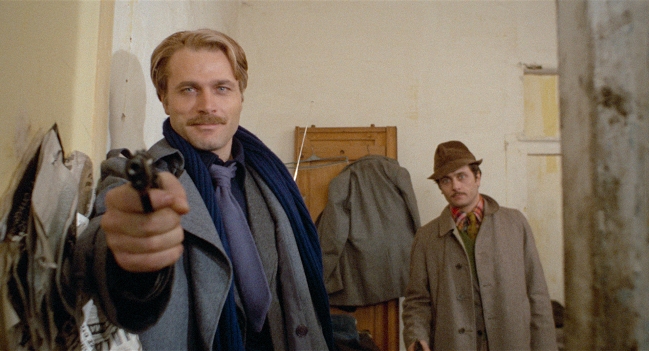
By the early 1970s, the Spaghetti Western was dying. The market had been oversaturated with cheap imitations, and the release of the highly successful Trinity comedy-westerns shifted the genre away from grit and towards slapstick. Audiences were looking for something new.
At the same time, Italy was entering the "Years of Lead"—a period of extreme political violence, terrorism, and organized crime. The Italian public was no longer interested in fantasies about the American frontier; they were terrified of what was happening on their own streets.
The Birth of the Euro-Crime Thriller
Italian filmmakers did what they always did: they adapted. The directors, actors, and composers who had spent the last decade making Spaghetti Westerns simply moved their productions from the deserts of Almeria to the smog-choked streets of Rome, Milan, and Naples. The result was the Poliziotteschi (Italian crime film).
The DNA of the Spaghetti Western was immediately apparent in these new films. The cynical, lone-wolf bounty hunter became the rogue police inspector who plays by his own rules (a trope also popularized by Hollywood's Dirty Harry, ironically starring Clint Eastwood). The corrupt land barons became Mafia bosses and political terrorists. The brutal, operatic violence remained entirely unchanged.
Familiar Faces in New Roles
Many of the biggest stars of the Italian West found second careers in the Poliziotteschi. Franco Nero (Django) traded his machine gun for a police badge in films like High Crime. Tomas Milian (The Big Gundown) became famous for playing both psychotic criminals and unorthodox cops.
Directors like Enzo G. Castellari (Keoma) directed some of the most famous films in the genre, including High Crime and Street Law. Even composers like Ennio Morricone and Luis Bacalov transitioned seamlessly, swapping the acoustic guitars and whistling of the West for the funky basslines and tense synthesizers of the 1970s urban jungle.
About the Author: Spaghetti Cinema Research Team
Specializing in the intersection of musicology and 1960s European cinema.